Reflect sunlight.
Before cooling, limit heat gain. High solar reflectance reduces the energy absorbed by the surface.
 Discuss my project
 Films and coatings applied to your surfaces to reduce solar heat gain and limit air-conditioning needs.
Active energy used
for radiative cooling
The atmospheric window
for releasing heat
Industry + Infrastructure + Buildings + Equipment + Textiles
Start with one example: Polar 90 film. Three steps to understand what is applied and how it works.
Concept diagram · thickness exaggerated for clarity
Polar 90 is a white self-adhesive film supplied in rolls. It covers large exposed surfaces: roofs, cladding, tanks or silos.
The film adheres to a compatible surface. Here it is shown on a profiled steel roof. Substrate suitability, preparation and application conditions must be validated for each project.
The film reflects a large proportion of solar radiation and emits heat as infrared radiation towards the sky. This process works passively, without electrical power.
A different substrate? Cooleco also offers window films, coatings and textiles.
Find the right productPolar 90 specificationsPolar 90: reflectance and emittance measured by LNE, August 2026; surface temperatures calculated using TESA SE data. Performance depends on operating conditions; detailed results and conditions are provided in the product specifications.
1 · Reduce heat gain — treat the envelope before heat enters the building.
2 · Optimise equipment — sizing, control and efficiency of cooling systems.
Peak cooling demand coincides with the hours when the electricity grid is under the greatest pressure.
Context figures published by Cooleco and included in the September 2026 catalogue.
The material reflects some sunlight and emits heat towards the sky. This is passive radiative cooling, requiring no active energy input for the process.
Conceptual visualisation, not to scale. Results depend on the substrate, climate and application conditions.
Before cooling, limit heat gain. High solar reflectance reduces the energy absorbed by the surface.
Every warm surface emits energy as infrared radiation. The material promotes this thermal emission.
Within the 8–13 µm atmospheric window, some radiation escapes into space, carrying heat away.
Reflection and emission reduce the thermal load. Polar 90 example: 45.8 → 39.5 °C compared with white-painted sheet metal. ASTM E1980 calculation: air 36.9 °C, sky 26.9 °C, solar irradiance 1,000 W/m², convection 12 W/m²K, TESA SE data.
Passive radiative cooling uses a natural phenomenon: every warm surface emits energy as infrared radiation. When this radiation escapes into space through the 8–13 µm atmospheric window, the surface releases some of its heat. Cooleco solutions combine high solar reflectance with high infrared emittance to limit heat gain and reduce the thermal load of buildings.
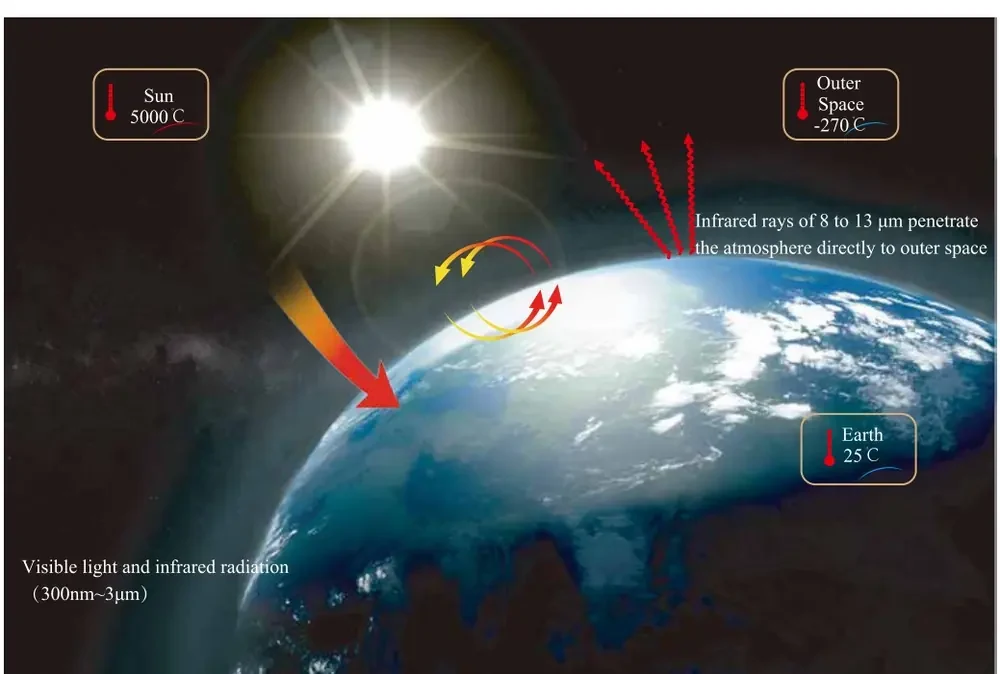
solar radiation to limit surface heat gain.
high levels of infrared radiation within the 8–13 µm atmospheric window.
some heat into space, without any active energy input.
* Performance varies with climate, geometry, orientation, substrate, insulation level and building use. Unless explicitly stated otherwise, the figures in this catalogue come from tests and reference cases supplied by manufacturers and must be confirmed by a project-specific study. The radiative properties of SolCold products are an exception: they have been measured by a third-party laboratory.
Metal roofs, glazing and textiles need different solutions. Identify your application, then open the specifications for the matching product.
Select a family to explore the material, its applications and its price.
A reflective film for opaque surfaces.
Reflective films for metal roofs, cladding, tanks, technical cabinets, boarding bridges, railway carriages and outdoor equipment.
A film to control sunlight through glazing.
Light transmission tailored to the project, for glazed roofs, curtain walls and highly exposed windows.
A multilayer coating tailored to the substrate.
Multilayer systems for metal substrates and architectural façades: surface protection and thermal management.
A technical fabric for blinds, covers and shading.
Technical fabrics for blinds, covers, tents, parasols and outdoor applications. Lightweight, flexible and easy to deploy.
A white self-adhesive film for large surfaces.
White self-adhesive film for roofs, cladding, tanks, silos and exposed industrial equipment. Distributed in France by Cooleco.
A film for low thermal mass substrates.
Advanced performance for low thermal mass substrates. Sub-ambient temperature calculated under the standardised conditions of the TESA SE test.
A catalogue of physical solutions, from films to textiles.
All products and pricesPassive radiative cooling solutions for buildings, industry, glazing, equipment and technical textiles. Films, coatings, fabrics and high-performance SolCold films.
Act directly on heat-exposed surfaces with a solution suited to the substrate: roofs, cladding, glazing, façades, tanks, equipment and textiles.
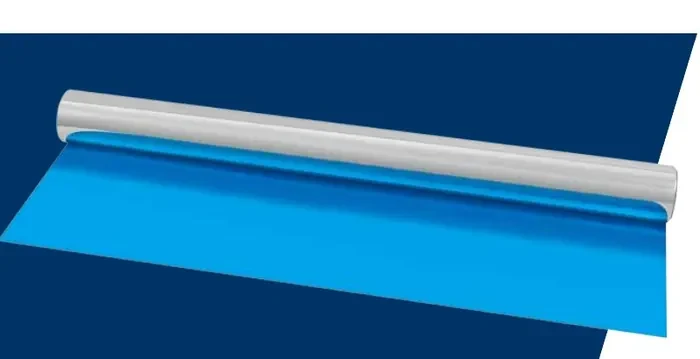
For metal roofs, cladding, tanks, technical cabinets, boarding bridges, railway carriages and outdoor equipment.
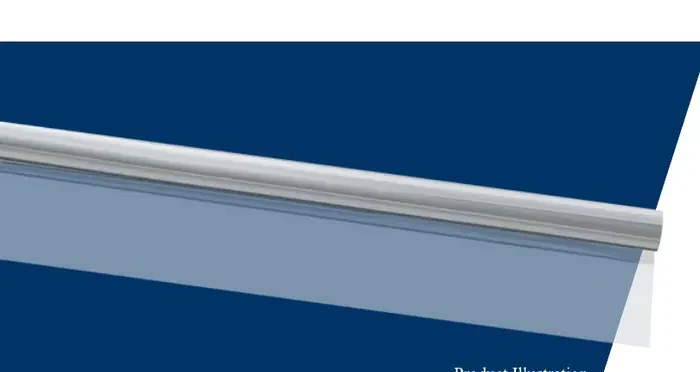
For glazed roofs, curtain walls and highly exposed windows. Reduced solar heat gain with controlled light transmission.
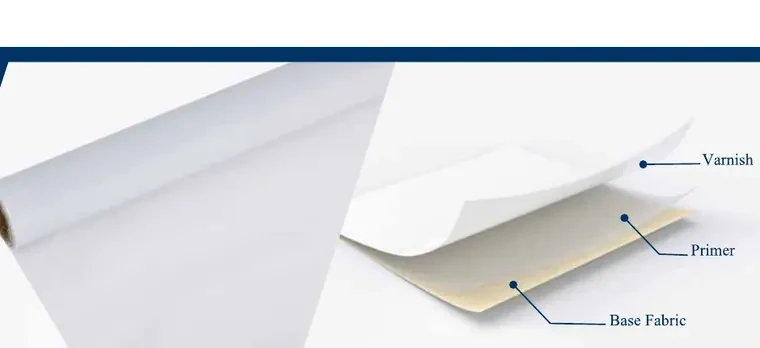
For blinds, shading, covers, tents, parasols and outdoor applications.
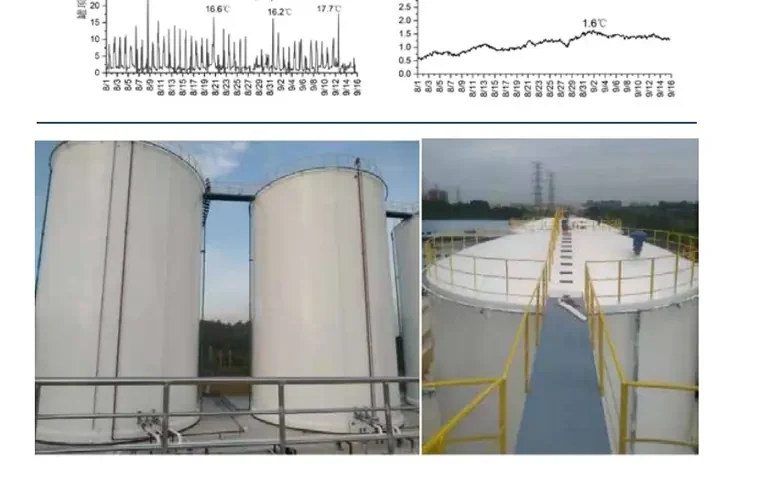
Multilayer systems for metal substrates and architectural façades. Surface protection and thermal management.
High-performance self-adhesive films Polar 90 and Glacier 110, distributed in France by Cooleco. The only products in the catalogue whose radiative properties have been measured by two independent third-party laboratories.
FR Series reflects sunlight before the building envelope heats up and promotes heat release through infrared radiation. A passive way to limit cooling demand.
FR5B100 specifications: supplier data, not verified by a third-party laboratory.
Metal roofs and cladding, electrical and telecom cabinets, tanks, silos, airport boarding bridges.
35.80 €/m² excl. VATSupply only · transport and installation excluded
| Product code | Size / colour | Reflectance | Emittance | Cooling power | Price |
|---|---|---|---|---|---|
| Cooleco FR1S300 | 1.225 × 50 m — matt silver | 89 % | 0.93 | ≥ 140 W/m² | €35.80/m² |
| Cooleco FR5S300 | 1.206 × 25 m — matt silver | 89 % | 0.93 | ≥ 140 W/m² | €35.80/m² |
| Cooleco FR5B100 | 1.206 × 25 m — white | 90 % | 0.93 | ≥ 137 W/m² | €35.80/m² |
Minimum: 30 rolls per model. Indicative installation: +€12/m², depending on the project.
Films designed for exposed opaque surfaces: roofs, cladding, equipment, tanks and metal structures. Their purpose is to significantly limit solar absorption and release heat through infrared radiation.
| Product code | Size / colour | Reflectance | Emittance | Cooling power | Price |
|---|---|---|---|---|---|
| Cooleco FR1S300 | 1.225 × 50 m — matt silver | 89 % | 0.93 | ≥ 140 W/m² | €35.80/m² |
| Cooleco FR5S300 | 1.206 × 25 m — matt silver | 89 % | 0.93 | ≥ 140 W/m² | €35.80/m² |
| Cooleco FR5B100 | 1.206 × 25 m — white | 90 % | 0.93 | ≥ 137 W/m² | €35.80/m² |
In various field cases, the films produced surface temperature differences exceeding 20 °C and reduced indoor temperatures and air-conditioner running time.
Surface area, substrate, location and consumption: we estimate the potential reduction in thermal load.
Move the divider to compare a sun-exposed galvanised steel roof with the same surface covered in film.
Manage solar gain through your glazing. T Series lets you choose light transmission suited to your application, depending on the glazing and installation conditions.
TSER = total solar energy rejected.
Supplier data not verified by a third-party laboratory.
| Product code | Appearance / installation | Visible light transmission | TSER | UV rejection | Price |
|---|---|---|---|---|---|
| Cooleco T36300W | Grey — exterior | 36.6 % | 56.4 % | ≥ 99 % | €29.80/m² |
| Cooleco T44300N | Grey — interior | 42.3 % | 60.5 % | ≥ 99 % | €29.80/m² |
| Cooleco T13300W | Silver — exterior | 11.7 % | 83.3 % | ≥ 99 % | €38.74/m² |
| Cooleco T67300W | Grey — depending on model | — | 62.0 % | ≥ 99 % | €29.80/m² |
T13300W is a silver mirror film with low light transmission, incompatible with Low-E coated glazing. Check the glazing type and whether installation is internal or external.
Films for windows and glazed roofs, designed to reject a significant proportion of solar energy while maintaining light transmission suited to the project.
| Product code | Appearance / installation | Visible light transmission | TSER | UV rejection | Price |
|---|---|---|---|---|---|
| Cooleco T36300W | Grey — exterior | 36.6 % | 56.4 % | ≥ 99 % | €29.80/m² |
| Cooleco T44300N | Grey — interior | 42.3 % | 60.5 % | ≥ 99 % | €29.80/m² |
| Cooleco T13300W | Silver — exterior | 11.7 % | 83.3 % | ≥ 99 % | €38.74/m² |
| Cooleco T67300W | Grey — depending on model | — | 62.0 % | ≥ 99 % | €29.80/m² |
Film selection depends on the glazing, required light transmission and internal or external installation.
Corrosion protection, façade protection and thermal management. A material that adapts to the shape of the substrate.
Primer, intermediate coat, topcoat.
Stainless steel, steel, coated steel, galvanised sheet metal.
Protection against water vapour, CO₂, acids and alkalis.
€13.50/m² excl. VATPrice for the complete system, excluding installation. Supplier data.
For stainless steel, steel, coated steel and galvanised sheet metal. A three-coat corrosion-protection system: primer, intermediate coat and topcoat.
For façades. Protection against water vapour, CO₂, acids and alkalis. Apply by roller, spray gun or brush.
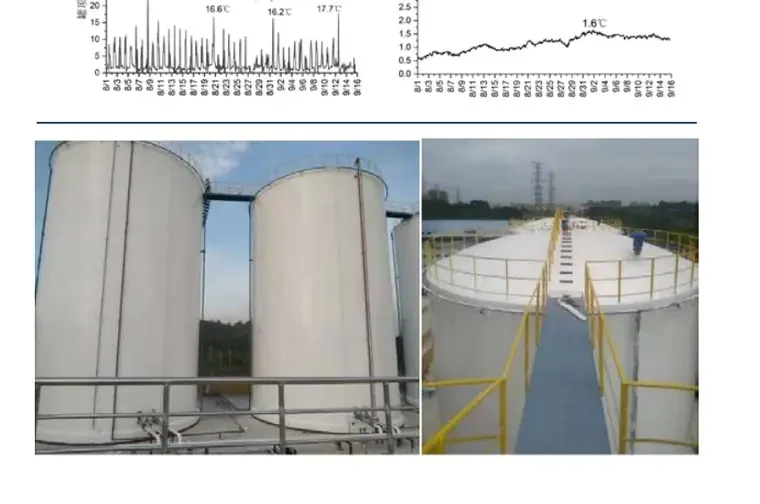
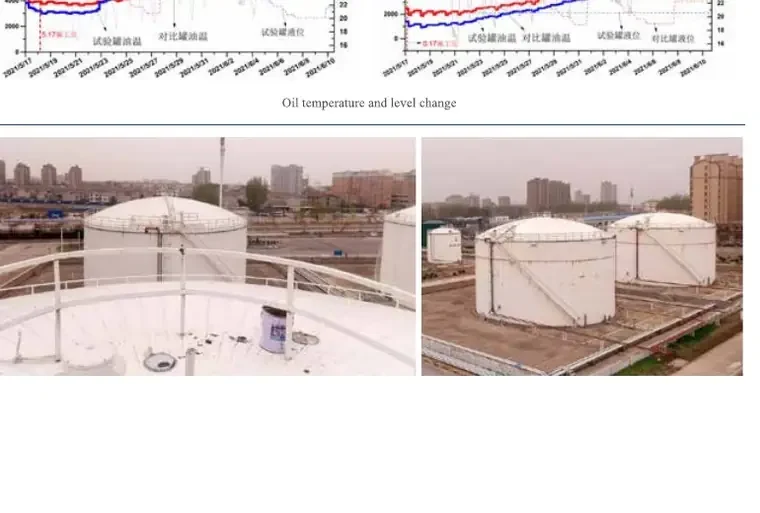
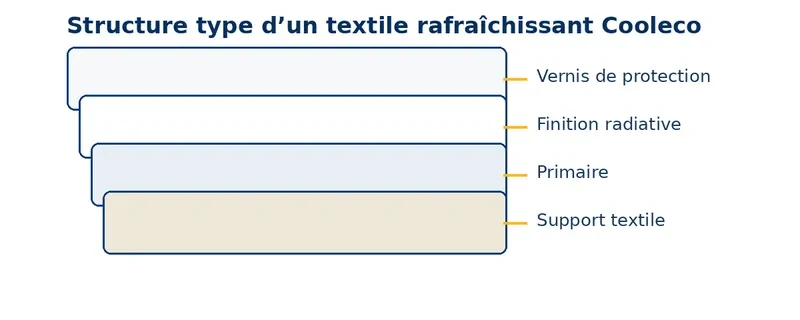
Textile substrate, primer, radiative topcoat, protective varnish: four layers for flexible, lightweight, passive protection.
Blinds, covers, tents, parasols and shading. Reduce solar absorption right where it is needed.
| Product code | Type / size | Reflectance | UV protection | Hydrostatic head | Price |
|---|---|---|---|---|---|
| Cooleco TP500 | 150D Oxford — 1.5 × 70 m | 85 % | >99 % | 5000 mm | €13.35/m |
| Cooleco TP400 | 30D mesh — 1.4 × 50 m | 82 % | >99 % | 6000 mm | €12.60/m |
| Cooleco HC1-3 | 200D Oxford — ivory/black | 74 % | >99 % | 6000 mm | €9.32/m |
| Cooleco HC1-5 | 600D Oxford — khaki/white | 80 % | >99 % | 6000 mm | €12.60/m |
Other products: HC1-1 €5.54/m · HC1-2 €6.30/m · HC1-4 €11.08/m · Cooleco 30D €11.08/m · Cooleco 50D €11.84/m. Minimum: 1,500 m per product. Prices exclude VAT, transport, insurance and installation.
Technical fabrics combining textile substrate, primer, radiative topcoat and varnish for shading, covers, blinds and outdoor applications.

| Product code | Type / size | Reflectance | UV protection | Hydrostatic head | Price |
|---|---|---|---|---|---|
| Cooleco TP500 | 150D Oxford — 1.5 × 70 m | 85 % | >99 % | 5000 mm | €13.35/m |
| Cooleco TP400 | 30D mesh — 1.4 × 50 m | 82 % | >99 % | 6000 mm | €12.60/m |
| Cooleco HC1-3 | 200D Oxford — ivory/black | 74 % | >99 % | 6000 mm | €9.32/m |
| Cooleco HC1-5 | 600D Oxford — khaki/white | 80 % | >99 % | 6000 mm | €12.60/m |
Blinds, sunshades, tents, parasols, vehicle covers, equipment protection and shade fabrics.
Reduce solar absorption right where it is needed, while retaining a lightweight, flexible material that is easy to deploy.
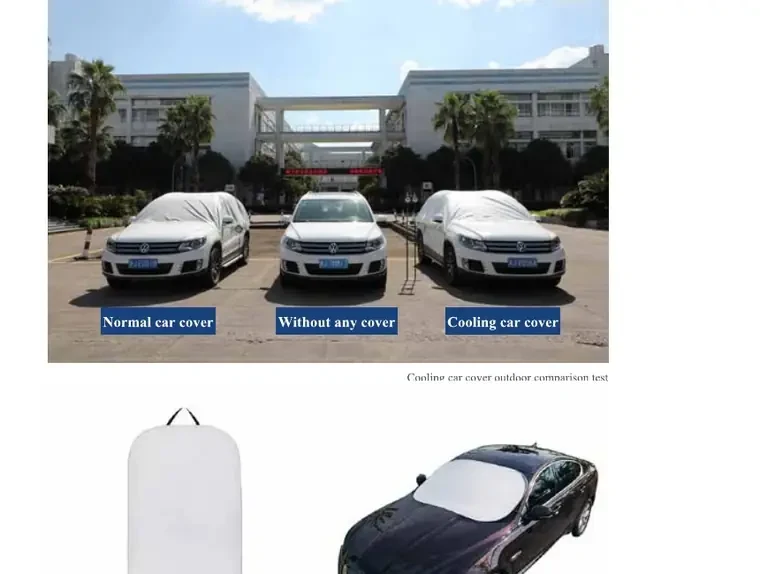
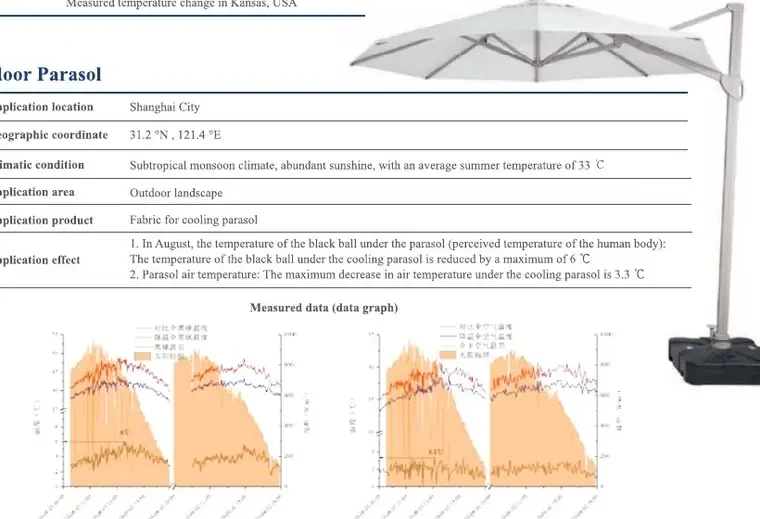
For vehicles, equipment, tents and temporary areas, reflective textiles can limit temperature increases without electrical power.
Exterior blinds, interior blinds, curtains and shade fabrics reduce the radiation received by occupants and indoor surfaces, directly improving perceived comfort.
Reduce heat gain
on large surfaces.
Reflectance and emittance: LNE, August 2026. SRI according to ASTM E1980, convection 12 W/m²K. LNE uncertainties: ±0.020 (reflectance) and ±0.042 (emittance), k=2. Cooling power: manufacturer data, not covered by these measurements.
−6.3 °C calculated surface temperature difference compared with white-painted sheet metal.
877 W/m² reflected out of 1,000 W/m² incident radiation.
€45.00/m² excl. VAT Supply only, transport and installation excluded.
LNE provides the reflectance and emittance values published in August 2026. SRI values are established according to ASTM E1980; TESA SE also provides calculated surface temperatures. Values are presented for a convection coefficient of 12 W/m²K.
The data below are those published on cooleco.fr. LNE and TESA SE reports are available on request.
Request laboratory reportsWhite self-adhesive film for roofs, cladding, tanks, silos and exposed industrial equipment. The radiative properties below were measured by two independent third-party laboratories : LNE (reflectance, emittance, SRI — August 2026) and TESA SE Hamburg (reflectance, emittance, SRI and calculated surface temperatures), rather than declared by the manufacturer.
Solar irradiance 1,000 W/m², air 36.9 °C, sky 26.9 °C, convection 12 W/m²K.
Under these conditions, Polar 90 remains 2.6 K above air temperature while reducing the surface temperature by 6.3 °C compared with white-painted sheet metal.
Reflectance, emittance and SRI: LNE report, August 2026 (stated uncertainties ±0.020 for reflectance, ±0.042 for emittance, k=2). Surface temperatures and second SRI calculation: TESA SE report. Cooling power (50–90 W/m²) remains manufacturer data, not covered by these measurements.
Send your plans or surface areas for an estimate of quantities, budget and potential savings.
Reflectance, emittance and SRI: LNE report, August 2026. Calculated surface temperatures and second SRI: TESA SE report. Other properties: SolCold Polar 90 technical data sheet.
Below air temperature.
Under TESA SE calculation conditions (air 36.9 °C, sky 26.9 °C, solar irradiance 1,000 W/m², convection 12 W/m²K), its surface reaches 36.7 °C: 0.2 °C below air temperature.
Air: 36.9 °C · Sky: 26.9 °C · Solar irradiance: 1,000 W/m² · Convection: 12 W/m²K.
ASTM E1980 method using TESA SE radiative properties. Polar 90 remains +2.6 K above air temperature; Glacier 110 is at −0.2 K.
Transport, electronics enclosures, containers, silos, buildings, aerospace applications and technical textiles.
Emittance at 25 °C · LNE0.834
Manufacturer-stated cooling power70–170 W/m²
Supply price€80.00/m² excl. VAT
LNE, August 2026: uncertainties ±0.020 for reflectance and ±0.044 for emittance (k=2). SRI: convection 12 W/m²K. Cooling power: manufacturer data.
The premium product in the SolCold range. Under the calculation conditions selected by TESA SE (air 36.9 °C, sky 26.9 °C, solar irradiance 1,000 W/m², convection 12 W/m²K), Glacier 110 is the only material in the test whose calculated surface temperature falls below ambient air temperature.
Solar irradiance 1,000 W/m², air 36.9 °C, sky 26.9 °C, convection 12 W/m²K.
Calculated difference relative to ambient air: −0.2 K (36.7 °C vs 36.9 °C air temperature).
Reflectance, emittance and SRI: LNE report, August 2026 (stated uncertainties ±0.020 for reflectance, ±0.044 for emittance, k=2). Surface temperature and second SRI: TESA SE report. Cooling power (70–170 W/m²) remains manufacturer data, not covered by these measurements.
Samples and LNE / TESA SE measurement reports available on request.
Reflectance, emittance and SRI: LNE report, August 2026. Calculated surface temperature and second SRI: TESA SE report. Other properties: SolCold Glacier 110 technical data sheet.
Airports, warehouses, glazing and equipment: discover the solutions used and the results reported under their operating conditions.
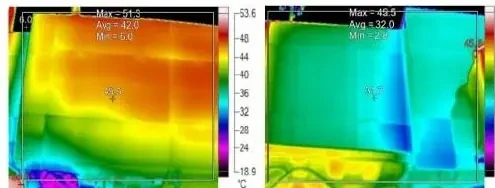 THERMOGRAPHY / BEFORE & AFTER
Reported average annual air-conditioning savings after two years of testing on boarding bridges.
Thermographic images and results: manufacturer case study from Singapore, operating boarding bridges. Values are specific to the test conditions and cannot be directly extrapolated.
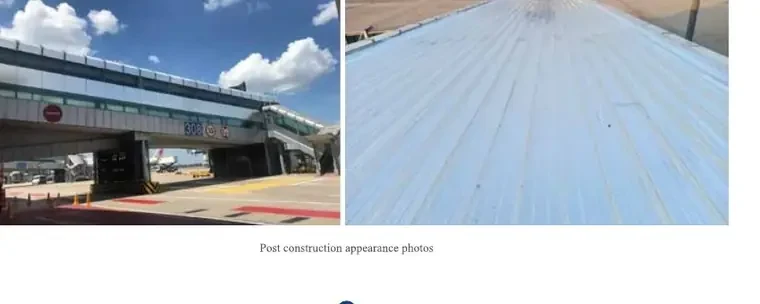 02
02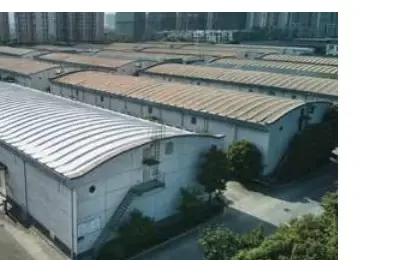 03
03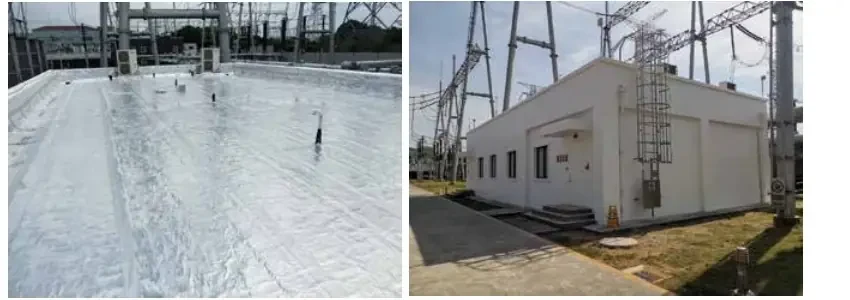 04
04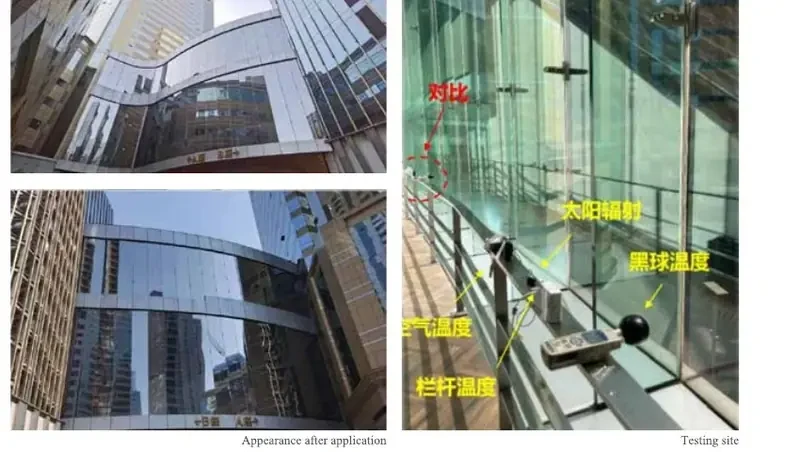 05
05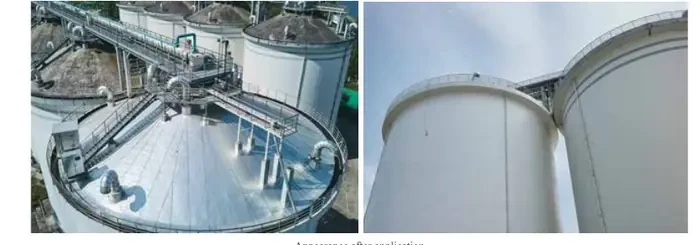 0607
0607These cases are reported by manufacturers. Each result relates to a specific site and its test conditions.
14.4 → 5.6 kWh measured over three days. A particularly favourable pilot configuration, to be confirmed at a larger scale.
+0.5 percentage point in extraction yield; 34% fewer days above 26 °C. Estimated payback: 0.5 year, excluding carbon credits.
Indoor temperature reduced by 5 to 6 °C at the monitored site. Estimated payback: 2.9 years, excluding carbon credits.
Bus: −30% air-conditioning consumption. AB InBev truck: −20 to −30 °C on the roof and up to −6 °C inside.
APPLICATION AREASSchools • shopping centres • offices • hospitals • airports • data centres • logistics warehouses
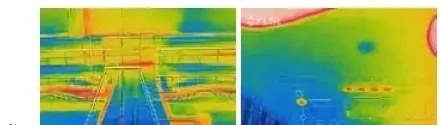
On a treated boarding bridge, the documentation reports a roof temperature difference of 25.3 °C, with a surface maintained up to 6.3 °C below ambient air temperature. The interior ceiling also showed a difference of around 8.2 °C.
Large-scale application on a metal roof. Preliminary data indicate a reduction in the temperature of the inner surface of up to 21.7 °C.
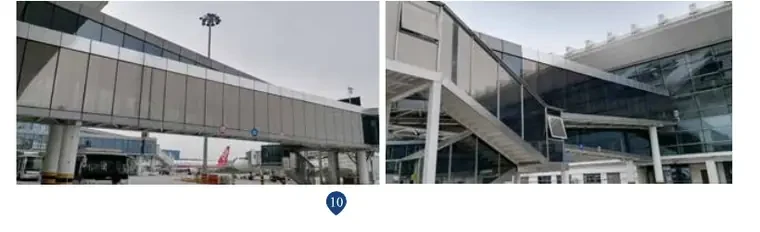
A project combining reflective and transparent films on a boarding bridge. The documentation reports a reduction in surface temperature of up to 32.3 °C and a reduction in conditioned air temperature of around 4 °C.
Metal roofs, glazed façades, boarding bridges and technical areas often experience high solar loads. Combining opaque and transparent films allows the entire envelope to be treated while preserving the use of glazing.
During a test period with air conditioning set to 26 °C, the average daily peak temperature fell by 4.7 °C after film application.
A monitored shopping centre recorded up to −11.5 °C in black globe temperature and −3.4 °C in air temperature. The estimated percentage of dissatisfied occupants fell from 100% to 16% in the study.
With ambient air at 35 °C and simulated air conditioning at 26 °C: mean radiant temperature 33.7 → 26.4 °C, standard effective temperature 29.5 → 25.8 °C, PPD 28 → 5 %.
Light transmission, colour, solar rejection, installation position and any Low-E coating must be checked before specifying a film.
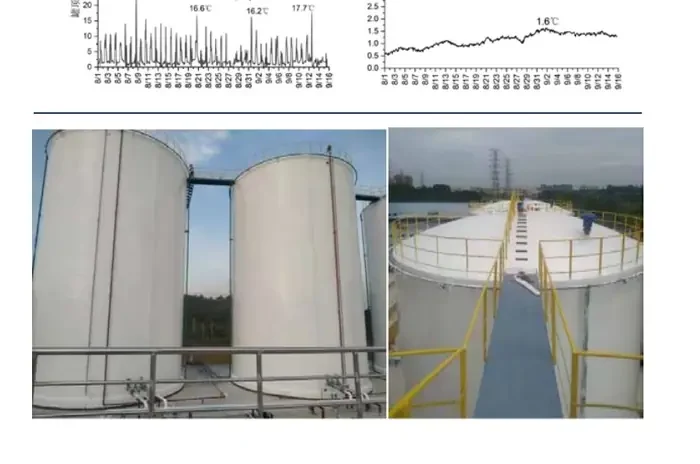
Reducing wall and contents temperatures can lower internal pressure, limit evaporation losses and improve operational safety during hot weather.
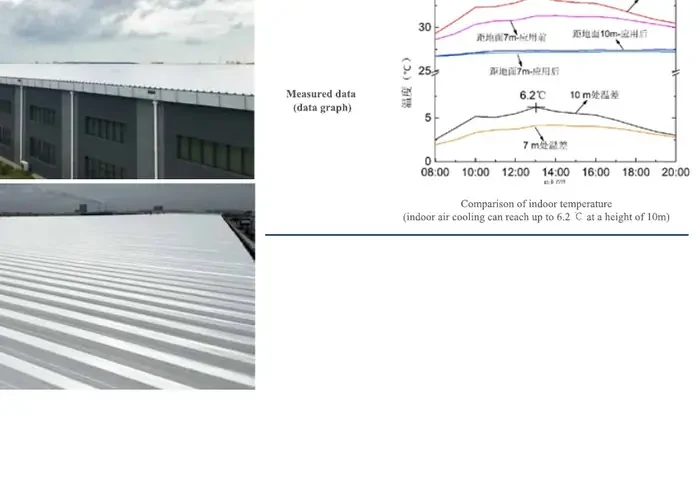
Radiative solutions are particularly suited to buildings where preservation depends on stable temperatures: food, beverages, pharmaceuticals or sensitive materials.
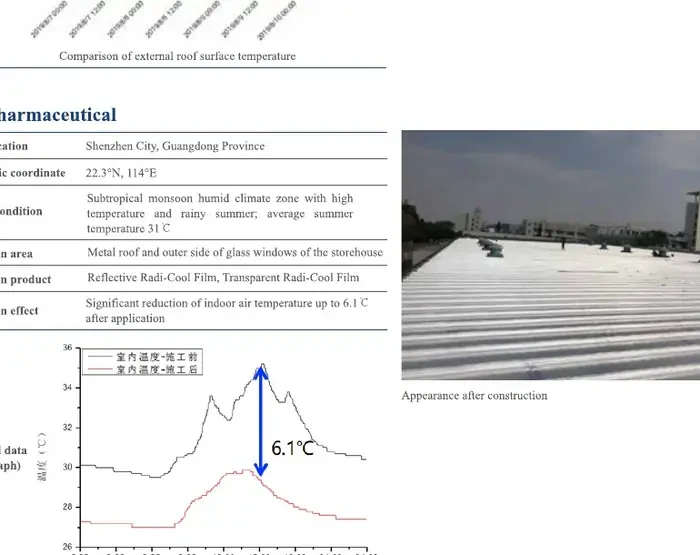
Across large roof areas, every degree of heat gain avoided at the envelope helps reduce the building's overall thermal load.
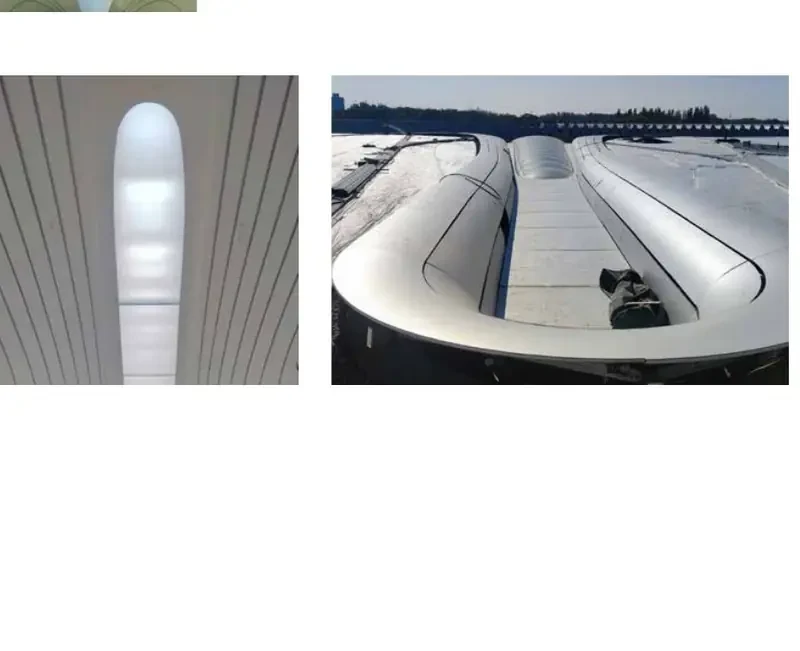
Highly exposed roofs and curved walls can be treated with film or coating, depending on the substrate and geometry.
Results reported by manufacturers. Performance varies with climate, geometry, orientation, substrate, insulation and building use. To be confirmed by a project-specific study.
A starting point for matching your substrate with the right family of materials.
Reduce surface temperature and air-conditioning load
Explore this solutionIndicative recommendation. Substrate, exposure and application conditions must be validated for each project.
Air-conditioning consumption, exposed surfaces, temperatures and occupancy profile.
Estimated annual savings = cooling consumption × energy price × reduction rate.
Comfort, peak power demand, thermal ageing and protection of goods.
| Situation | Recommended solution | Main objective |
|---|---|---|
| Metal roof / cladding | FR Series or Polar 90 | Reduce surface temperature and air-conditioning load |
| Glazed façade / glazed roof | T Series | Reduce solar gain through glazing |
| Electrical / telecom cabinets | FR Series | Limit temperature peaks and equipment cooling runtime |
| Tanks / silos / reservoirs | FR Series or Cooleco Coatings | Protect products, reduce pressure and heat gain |
| Architectural façade | Cooleco W3111-14 | Cooling + surface protection |
| Blinds / textiles / outdoor | Cooleco Textile Series | Comfort and solar protection without power |
| Low thermal mass substrate, sub-ambient target | Glacier 110 | Reach below ambient air temperature (TESA SE calculation) |
| Requirement for third-party performance evidence | Polar 90 or Glacier 110 | Specification supported by SRI measurements from two laboratories (LNE, TESA SE) |
We start with air-conditioning consumption, exposed surface areas, surface temperatures and the occupancy profile.
Estimated annual savings = cooling consumption × energy price × reduction rate.
Comfort, reduced peak power demand, less thermal ageing and protection of goods.
| Property | Polar 90 | Glacier 110 | ASTM E1980 reference white |
|---|---|---|---|
| Solar reflectance (LNE) | 87.7 % | 89.5 % | 80 % |
| Emittance at 25 °C (LNE) | 85.5 % | 83.4 % | 90 % |
| SRI LNE (convection 12 W/m²K) | 110.5 | 112.8 | 100 |
| TESA SRI (same conditions) | 114 | 121 | 100 |
| Surface temperature (TESA) | 39.5 °C | 36.7 °C | 44.6 °C |
| Difference / air temperature | +2.6 K | −0.2 K | +7.7 K |
| Reflected solar energy | 877 W/m² | 895 W/m² | 800 W/m² |
A rollout decision relies on a monitored pilot, not just a product data sheet.
12 months of consumption and hourly profiles for the existing building.
Area, insulation, weather, setpoints and building use.
An on-site treated area and a monitored control area.
Normalised savings and full costs validated before wider deployment.
Illustrative scenarios to be replaced with the site's invoices, measurements and installation conditions.
We offer an assessment, quotation and pilot plan tailored to your building.
The €45,000 excl. VAT represents an illustrative supply cost for 1,000 m² of Polar 90. For your project, the calculation must include the full implementation cost and measured savings. Payback periods of 0.5 to 2.9 years relate to specific cases, with no guarantee of identical results.
Examples provided by SolCold, manufacturer of the Polar 90 and Glacier 110 films distributed in France by Cooleco.
2026 catalogue · Selling prices excl. VAT.
Supply only, excluding transport, insurance and installation.
Edition valid until 31 December 2026.
20 products
| Product / Code | Format | Application | Performance | Price excl. VAT |
|---|---|---|---|---|
| FR1S300 | 1.225 × 50 m — matt silver | Roofs / opaque surfaces | Refl. 89% · ε 0.93 | €35.80/m² |
| FR5S300 | 1.206 × 25 m — matt silver | Roofs / opaque surfaces | Refl. 89% · ε 0.93 | €35.80/m² |
| FR5B100 | 1.206 × 25 m — white | Roofs / opaque surfaces | Refl. 90% · ε 0.93 | €35.80/m² |
| T36300W | Grey — exterior | Windows / glazed roofs | TSER 56.4% | €29.80/m² |
| T44300N | Grey — interior | Windows / glazed roofs | TSER 60.5% | €29.80/m² |
| T13300W | Silver — exterior | Windows / glazed roofs | TSER 83.3% | €38.74/m² |
| T67300W | Grey — depending on model | Windows / glazed roofs | TSER 62.0% | €29.80/m² |
| TP500 | 150D Oxford — 1.5 × 70 m | Shading / covers | Refl. 85% | €13.35/m |
| TP400 | 30D mesh — 1.4 × 50 m | Shading / covers | Refl. 82% | €12.60/m |
| HC1-3 | 200D Oxford — ivory/black | Shading / covers | Refl. 74% | €9.32/m |
| HC1-5 | 600D Oxford — khaki/white | Shading / covers | Refl. 80% | €12.60/m |
| HC1-1 | Depending on product | Textile / outdoor | Depending on product | €5.54/m |
| HC1-2 | Depending on product | Textile / outdoor | Depending on product | €6.30/m |
| HC1-4 | Depending on product | Textile / outdoor | Depending on product | €11.08/m |
| Cooleco 30D | Depending on product | Textile / outdoor | Depending on product | €11.08/m |
| Cooleco 50D | Depending on product | Textile / outdoor | Depending on product | €11.84/m |
| P3111 + P3112 + P3113 | 3-coat system | Metal substrates | Refl. 88% · ε 0.90 | €31.60/m² |
| W3111 + W3112 + W3113 + W3114 | 4-coat system | Façades | Refl. 90% · ε 0.88 | €13.50/m² |
| Polar 90 | 52 cm × 100 m | Large surfaces | SRI LNE 110.5 · TESA 114 | €45.00/m² |
| Glacier 110 | 50 cm × 50 m | Low thermal mass / sub-ambient | SRI LNE 112.8 · TESA 121 | €80.00/m² |
No products match your search.
Indicative installation+€12/m², depending on the project
FR filmsMinimum 30 rolls / model
TextilesMinimum 1,500 m / product
| Family | References | Selling price excl. VAT |
|---|---|---|
| Reflective films | FR1S300 / FR5S300 / FR5B100 | €35.80/m² |
| Transparent films | T36300W / T44300N / T67300W | €29.80/m² |
| High-performance transparent film | T13300W | €38.74/m² |
| SolCold | Polar 90 | €45.00/m² |
| SolCold | Glacier 110 | €80.00/m² |
| Textile | TP500 | €13.35/m |
| Textile | TP400 / HC1-5 | €12.60/m |
| Textile | HC1-3 | €9.32/m |
| Metal coating | P3111 + P3112 + P3113 | €31.60/m² |
| Architectural coating | W3111 + W3112 + W3113 + W3114 | €13.50/m² |
Selling prices in euros, excluding VAT, transport, insurance and installation. Indicative installation: +€12/m². Edition valid until 31/12/2026. Performance figures come from manufacturers' tests and documentation and must be confirmed for each project.
SolCold: radiative measurements by LNE (August 2026) and TESA SE; SRI and temperatures calculated according to ASTM E1980, convection 12 W/m²K. FR, T, Textile and Coatings: supplier data. Field cases: reported results, specific to the test conditions.
Request technical documentsTell us about your surface area, substrate, location and consumption. We help you choose a solution and estimate the potential of your project.
Energy study · Specification · Supply · Support
3 rue de Lombardie
69150 Décines-Charpieu